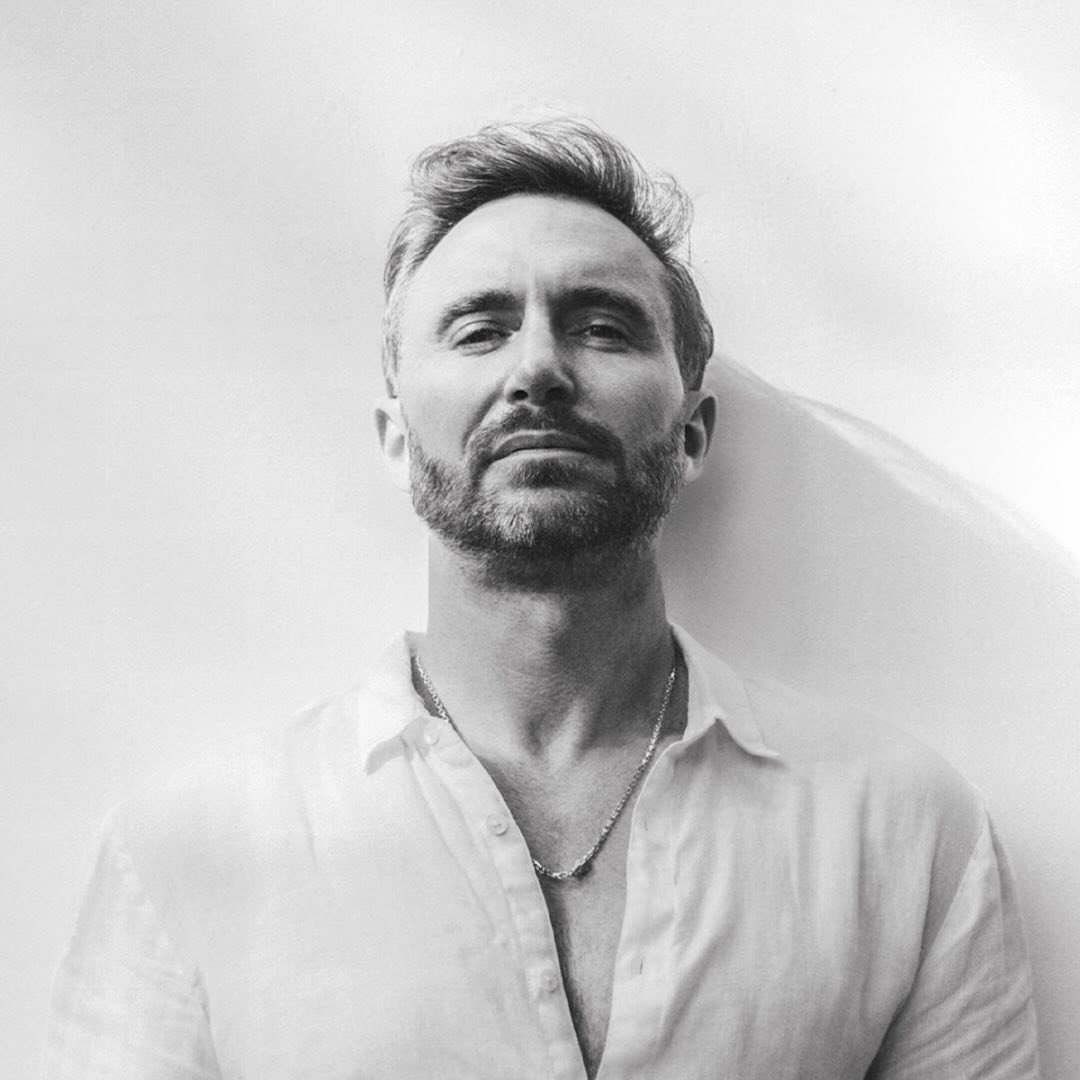
Pierre David Guetta—known globally as David Guetta—is a French DJ, producer and songwriter from Paris. After early club residencies in France, he rose to worldwide prominence with the albums One Love (2009) and Nothing but the Beat (2011), helping drive house and dance-pop onto global radio with collaborations like “When Love Takes Over” (feat. Kelly Rowland) and “Titanium” (feat. Sia). He’s since...
Pierre David Guetta—known globally as David Guetta—is a French DJ, producer and songwriter from Paris. After early club residencies in France, he rose to worldwide prominence with the albums One Love (2009) and Nothing but the Beat (2011), helping drive house and dance-pop onto global radio with collaborations like “When Love Takes Over” (feat. Kelly Rowland) and “Titanium” (feat. Sia). He’s since released Listen (2014) and 7 (2018), plus numerous singles under his main name and his house alias Jack Back. Guetta is a two-time GRAMMY winner with 14 total nominations, and continues to headline major festivals, arenas and long-running Ibiza residencies.Propelled by the rock guitars of the single Money, David’s second album, GUETTA BLASTER, is even gutsier. David and Joachim Garraud (the first album’s co-composer and co-producer) applied themselves to creating real songs modeled on electro-pop classics of the 80s by such masters as Depeche Mode, Yazoo, Dead Or Alive and New Order, to name the most prominent influences. All the tracks on this second album are original compositions. The gospel sounds of Chris Willis and the stylings of guest vocalists JD Davis (lead singer of Sinema), James Perry (alias Jimmy Polo, renowned singer/producer on the Chicago scene) and Britain’s Stereo MCs give the tracks a unique luster, while the production skills of Guetta and Garraud lift the album to new – and always spectacular – heights.
From GUETTA BLASTER’s opening salvos, Money and Stay, we get beats that are cranked up a notch beyond the hard-dance formula of Just A Little More Love. Without an ounce of hesitation, the album launches itself at the experimental roots of house music and cold-wave, displaying an unexpected stylistic versatility, then oscillates between powerful mixtures of hot & cold and black & white. The result is 100% addictive.
Used To Be The One, with vocals by Willis, owes a debt to both Yazoo’s Don't Go and garage music. Similarly, the counterpoint of Time evokes Eurythmics’ Sweet Dreams, blending the best of English pop and dance culture – something David has mastered like no one else. Open Your Eyes, a track tailor-made for the Stereo MCs, is built on a rubbery break beat and an acid sequence, with a rap that brings their classic Connected to mind. The abrasive AC/DC, clearly a future hit on the underground/rave circuit, is like the missing link between Jeff Mills and Ministry Of Sound.
Two velvet-smooth cuts neatly crown the album: In Love With Myself, a track that could hold its own against Moroder & Oakey’s Electric Dreams any day, is followed by Higher, on which Chris Willis pays homage to the style of phrasing and embellishment popularized by Stevie Wonder, an approach that has proliferated in both R&B and garage/house music à la New Jersey duo Blaze. GUETTA BLASTER drives its point home with the metronomic Movement Girl, featuring James Perry, and the killer Get Up, on which macho riffs, the hysterical falsetto of Chris Willis and screaming guitars swirl around a punchy beat.
On GUETTA BLASTER, David Guetta has not only successfully avoided the pitfalls of second albums – he has truly launched himself into a new dimension.